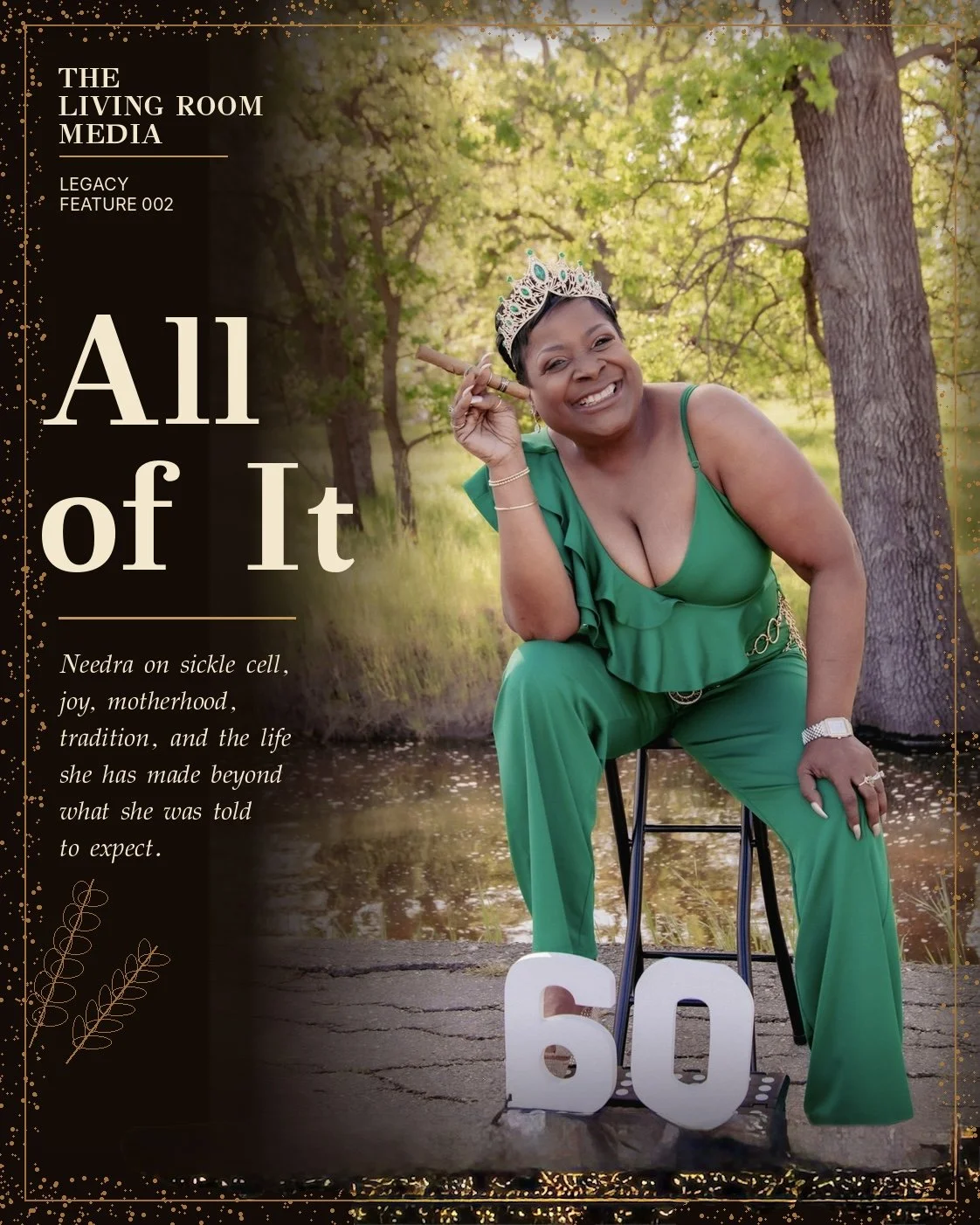
LEGACY FEATURE 002
NEEDRA
All of It
Needra on sickle cell, joy, motherhood, tradition, and the life she has made beyond what she was told to expect.
“Can’t nobody tell my story better than me.”
Editor’s Introduction
We are sitting in Needra’s living room as this conversation takes place.
It is not a quiet interview set.
Her husband is here. Her two grandchildren are here. Someone needs something. Someone interrupts. At one point, money discovered in a bucket becomes the subject of a small family negotiation. Later, her husband and granddaughter take ice cream orders.
There is laughter. There are side conversations. We stop and start again.
Life keeps moving through the room while Needra tells the story of hers.
There is something fitting about that.
Needra made this room. She will tell you herself that she cannot draw, but she can see how things belong together before they are together. She can decorate a home, put an outfit together, plan a party and take a theme further than someone else might think necessary.
People sometimes call her extra.
Needra disagrees.
“The devil is in the details.”
And so we are sitting inside one of those details, surrounded by people who carry pieces of her, talking about what a person carries through a lifetime and what she leaves in others along the way.
That is legacy.
Not only what remains when someone is gone.
What is already living because they are here.
Earlier this month, family and friends gathered for The Red Walk, walking in Needra’s honor and in honor of individuals and families whose lives have been touched by sickle cell anemia.
September is Sickle Cell Awareness Month.
Needra has lived with sickle cell for more than six decades.
But this is not simply a story about sickle cell.
It is the story of a woman who happens to have it.
There is a difference.
Where She Begins
Ask Needra where we should enter her story and she does not choose her birth or her diagnosis.
She chooses fourth grade.
“I would say probably fourth grade.”
That is where, she says, her memories begin to sharpen. It was also around those childhood years that another reality had already established itself.
Needra was the child with sickle cell.
She remembers being sicker then than she would be later in life.
Her parents knew that getting physically cold could trigger a crisis. Needra remembers cold being the thing most emphasized to her.
Don’t get too cold.
Which created a particular problem for a little girl growing up in Oakland in the 1970s.
Swimming.
The neighborhood had a swimming pool.
Everybody else was going.
Needra wanted to go, too.
So she developed a system.
She would put on her swimsuit, pull her clothes over it and head outside as though she were simply going to play.
Needra would walk or ride her bike to the pool.
And then she would swim.
“I would just take my chances. I’m gonna get in trouble, but I’m gonna have fun swimming with everybody until I get in trouble.”
Eventually, she had to go home.
That was where the plan fell apart.
Needra’s hair was pressed in those days. She might leave with two or three ponytails and return with the same ponytails.
Except now they were wet.
Sometimes she got yelled at.
Sometimes she got a whooping.
She kept going anyway.
“I wanted to go swimming with my friends.”
Needra wanted to be a kid.
Not the sick kid.
Not the kid everyone had to watch.
Just one of the children going swimming because the pool was there.
But sickle cell followed her beyond her parents’ rules.
Her friends knew she had it. Their mothers knew. The adults around her cared about her, which meant they sometimes enforced the same limitations she was trying to escape.
“I was just being policed.”
When she actually became sick, the restrictions became loneliness.
Her friends stayed outside.
Needra stayed in.
“They didn’t come over and keep me company.”
She does not blame them.
“They were kids just like me. They want to be outside playing. Who wants to be sitting in the room? I didn’t want to be sitting in the room.”
So Needra watched television.
She read.
“I had nobody to talk to.”
She suspects those hours may explain something about the woman sitting here now.
She still loves to read.
What Pain Taught Her
There is a clinical language for sickle cell disease.
It is an inherited blood disorder affecting hemoglobin, the protein in red blood cells that carries oxygen throughout the body. Red blood cells can become rigid and sickle-shaped, interfering with blood flow and contributing to episodes of severe pain.
Needra does not need that many words.
“It’s extremely painful.”
As a child, knowing her own pain did not always mean other people understood it.
She remembers being sick while someone yelled from another room for her to stop hollering.
It didn’t hurt that badly, she was told.
Needra remembers thinking:
You’re not in my body.
How do you know?
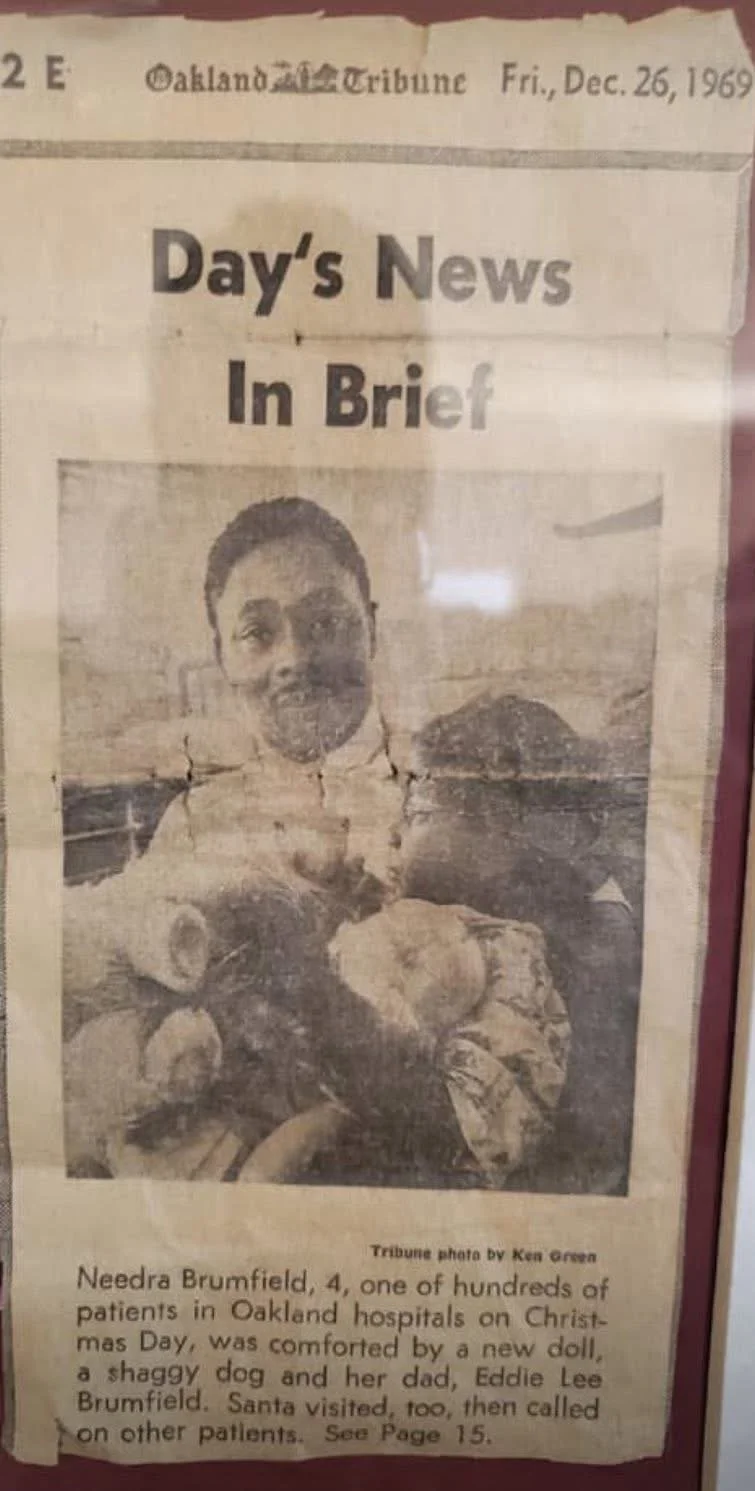
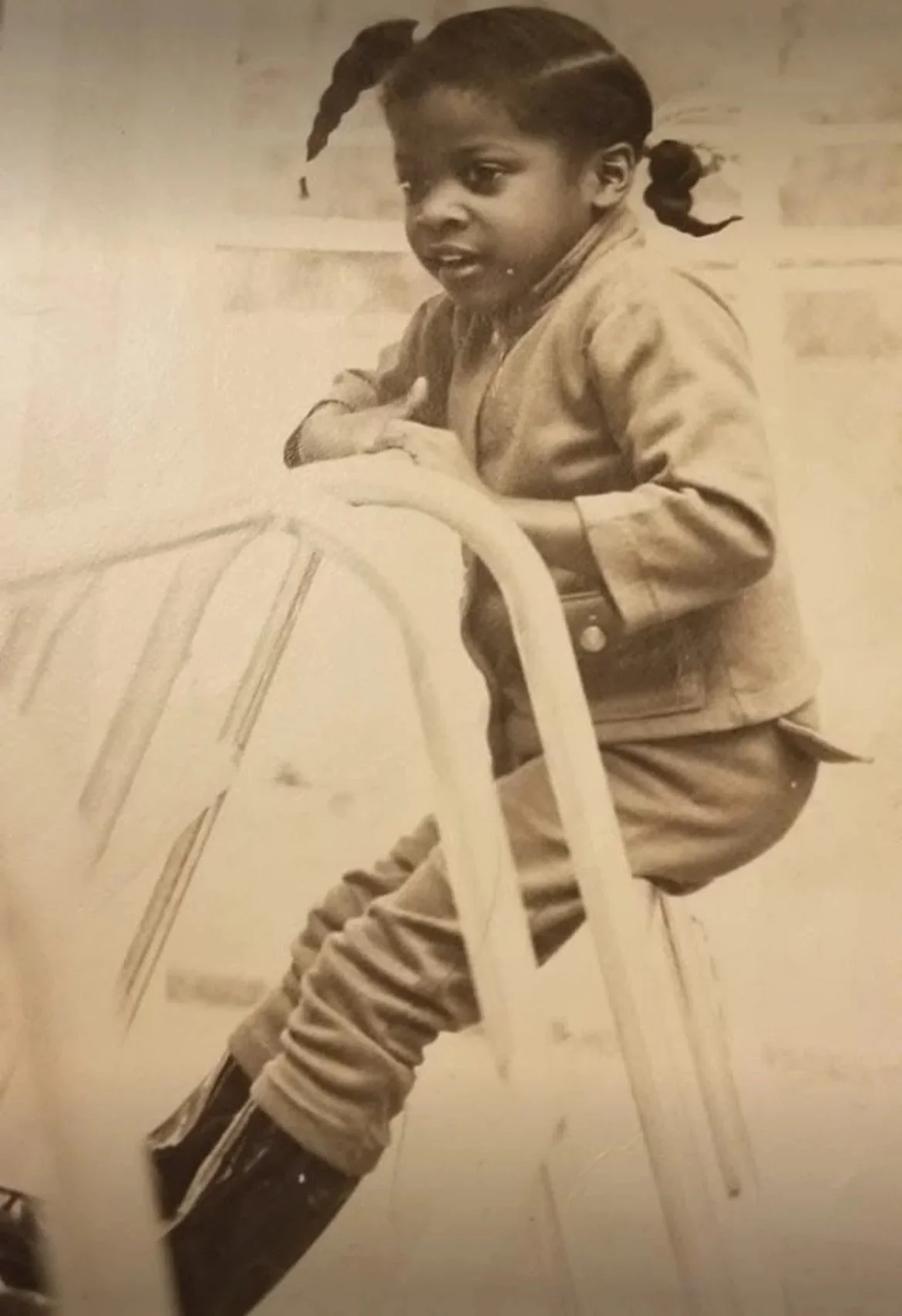
Needra, age four, with her father, Eddie Lee Brumfield, while hospitalized during a sickle cell crisis on Christmas Day, 1969. Decades before she would describe the loneliness of being the child who had to stay inside, the Oakland Tribune captured one of those childhood hospital stays.
The same absence of grace followed her into school.
A crisis could keep her away for weeks. One year, she missed the first two weeks of school.
By the time she arrived, everyone else had begun.
Some teachers asked where she had been.
Had she been on vacation?
Missed assignments still had to be completed. A missed test could be made up if a teacher was willing to create another one. If not, Needra remembers receiving a zero.
“I wasn’t given any grace.”
Her father advocated for her.
“That’s the kind of relationship me and Daddy had.”
At 61, Needra can see connections between that childhood and the no-nonsense woman she became.
“I don’t really know what grace looked like in that aspect because it was like you do it or don’t do it.”
There is another line she offers almost casually.
“Can’t nobody tell me what to do. I’m gonna do what the hell I want to do.”
It gets a laugh.
But it is hard not to hear the child who remembers everyone having a say over what she could and could not do.
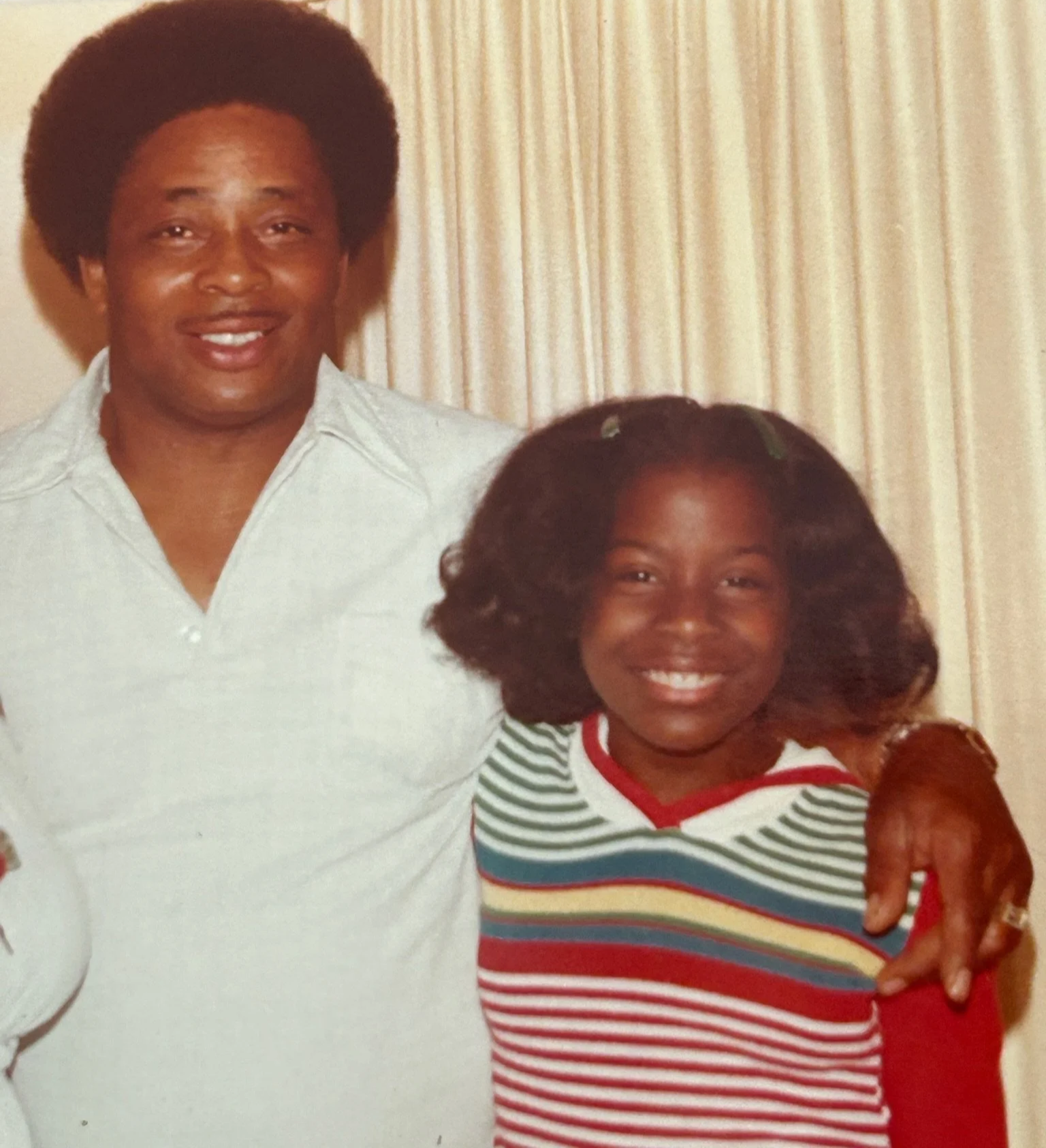
Thirty
There is a number sitting quietly underneath Needra’s young adulthood.
Thirty.
She had been told she would not live past it.
Needra is 61.
But before she knew she would reach 31, there was 21.
And 22.
And 23.
Looking backward, Needra calls some of those years reckless.
She smoked.
She drank.
She stayed out late.
She partied.
“At 19 and 20, I didn’t think it was reckless.”
When asked whether being told she would not live beyond 30 may have shaped the way she lived, she does not claim certainty.
“That could be partially part of the reason why.”
Maybe subconsciously.
Needra wanted to experience things.
So she did.
And there was joy.
Friday night meant skating.
There was a skating rink at Bayfair Mall in San Leandro, and Needra and her friends were there faithfully. They might stay until midnight or later.
Often, so many kids from the neighborhood had gone that they caught the bus home together.
Needra remembers those rides.
Talking.
Laughing.
Cracking on each other all the way home.
She looked forward to skating every week.
“That was fun.”
There was illness.
There was also a skating rink.
There was a prognosis.
There was also a life.
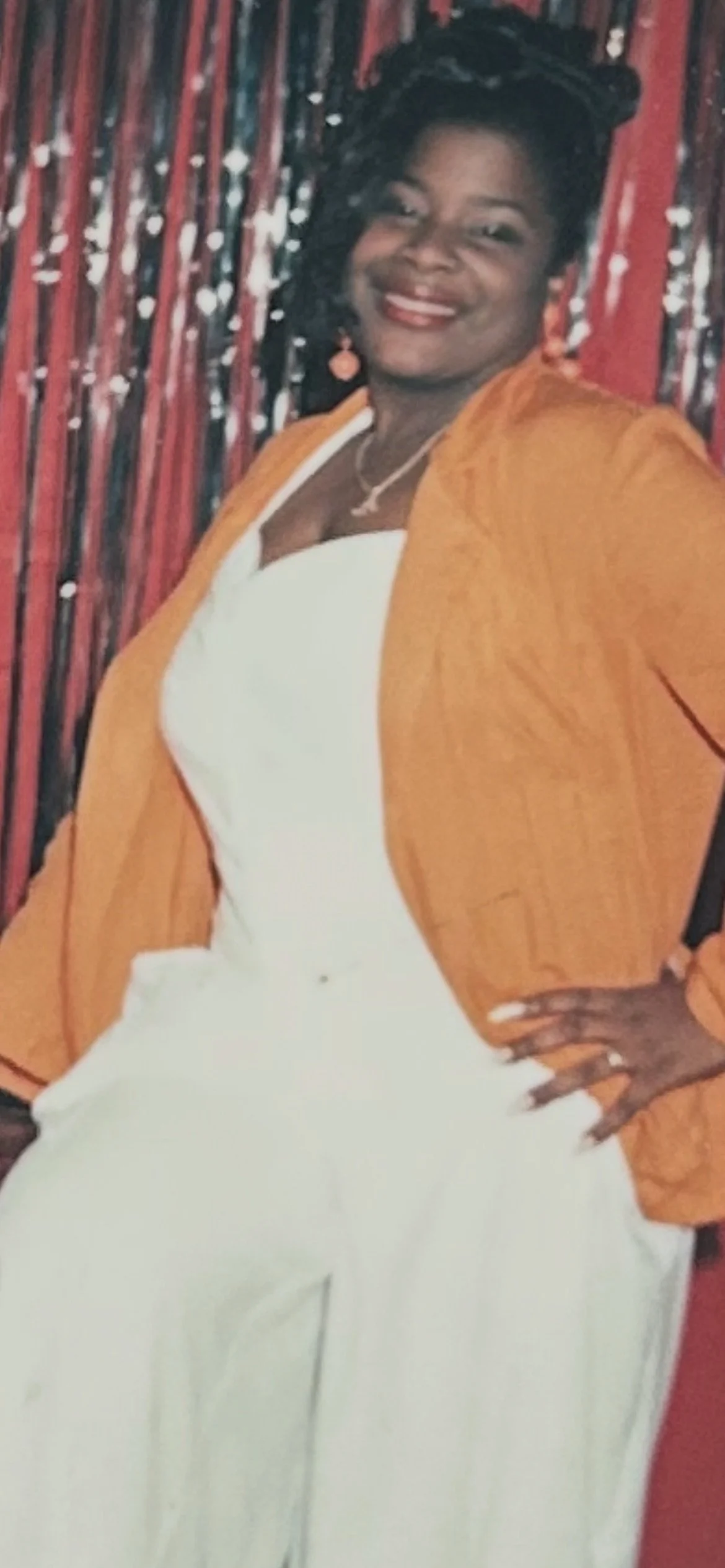
A Woman
Ask Needra who she is outside the roles people know her in and she does not hesitate long.
“A woman.”
Then she begins adding details.
A creative.
A hard worker when she was able to work.
Loyal.
Very loyal.
A reader.
A music lover.
“I love music. It’s probably my number one love in the arts.”
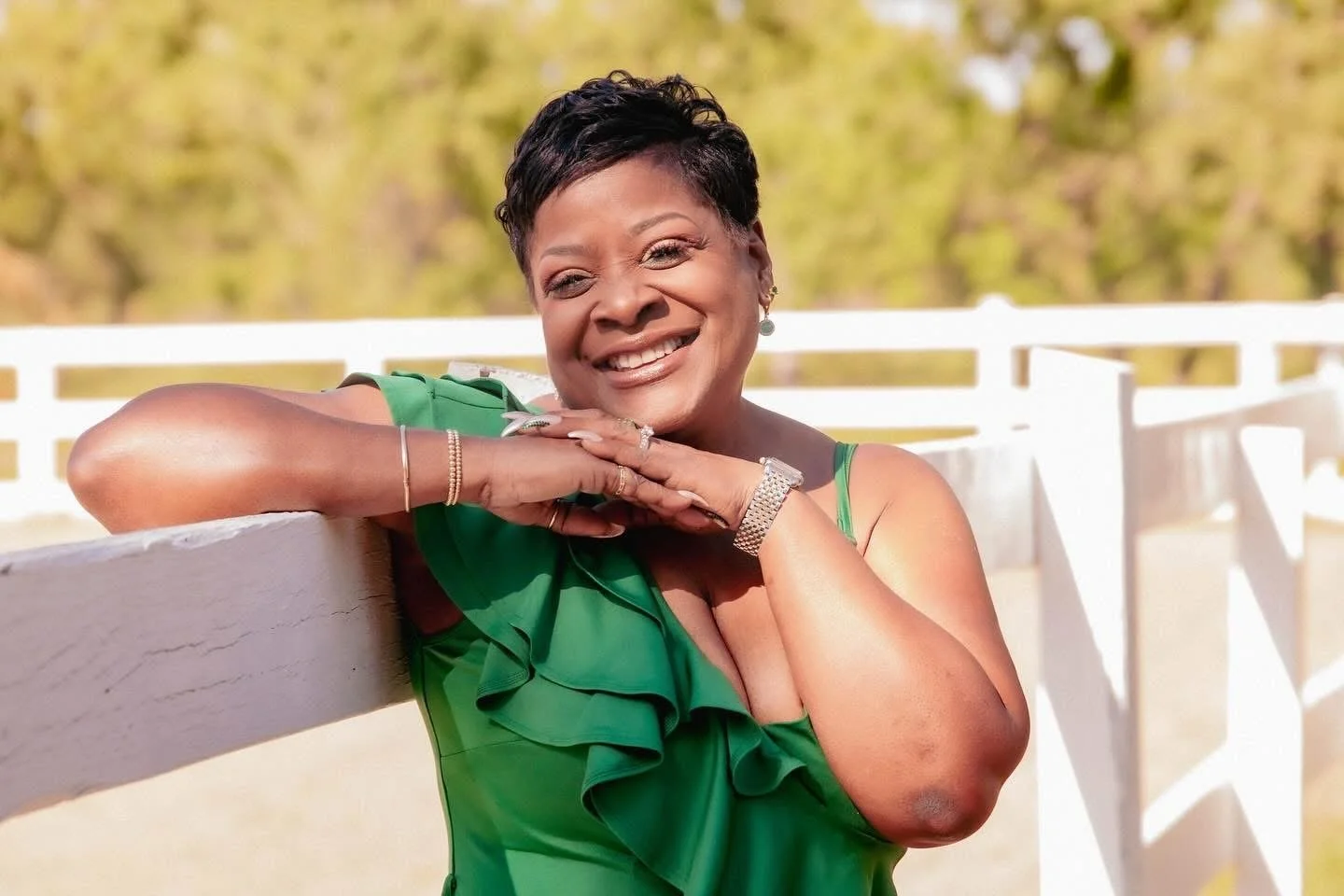
And then there is the matter of what she means by creative.
Not drawing.
Absolutely not drawing.
“I cannot draw a lick. My stick people look crazy.”
She laughs.
But Needra can see things.
A room.
An outfit.
Accessories.
A party.
A theme.
“I have to have a jumping-off point. Give me something to work with and I can take it there.”
Maybe farther than some people would.
She knows what they say.
You’re extra.
Needra rejects the premise.
“That’s their mindset.”
Then she offers her own explanation.
“The devil is in the details.”
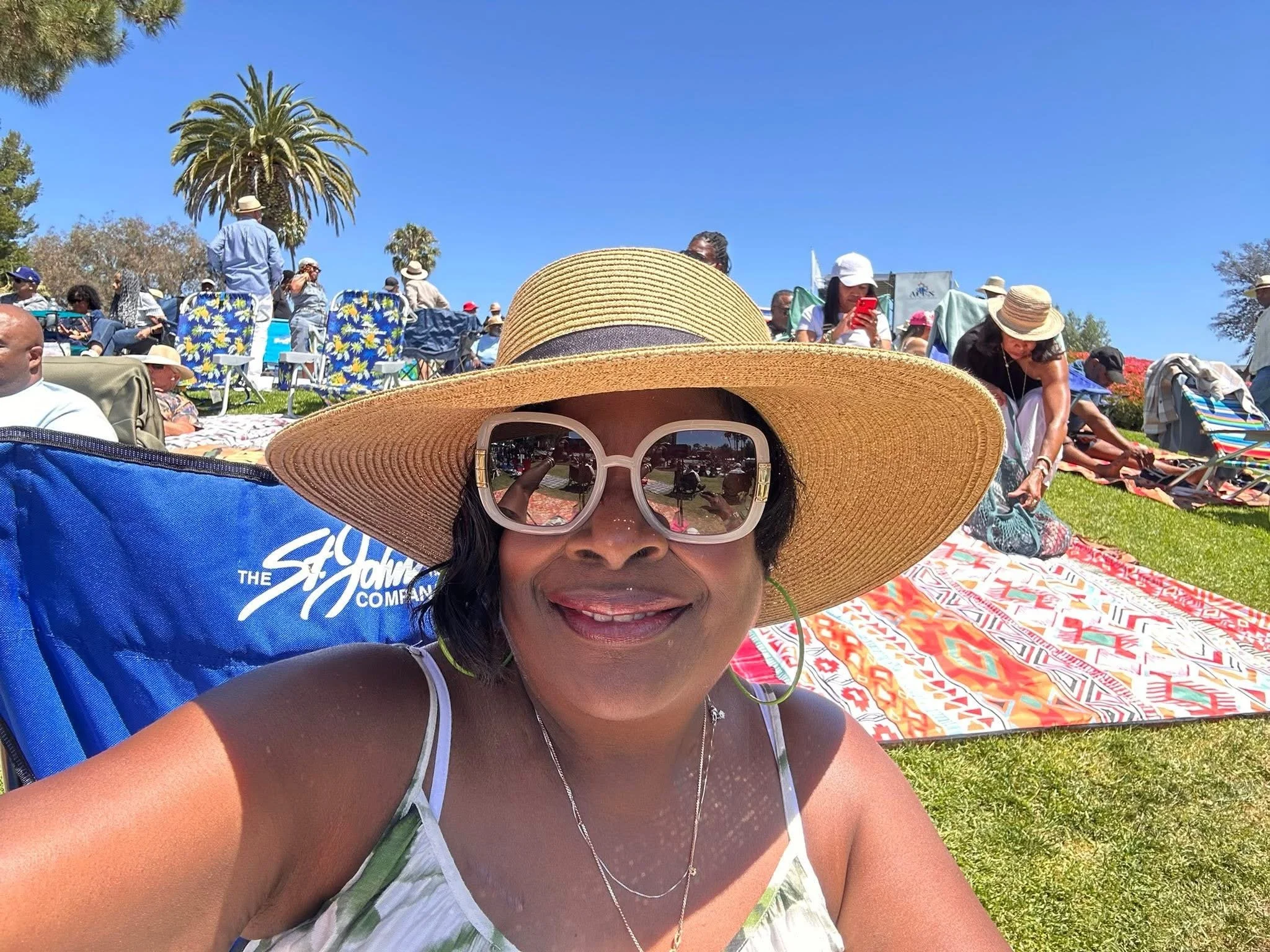
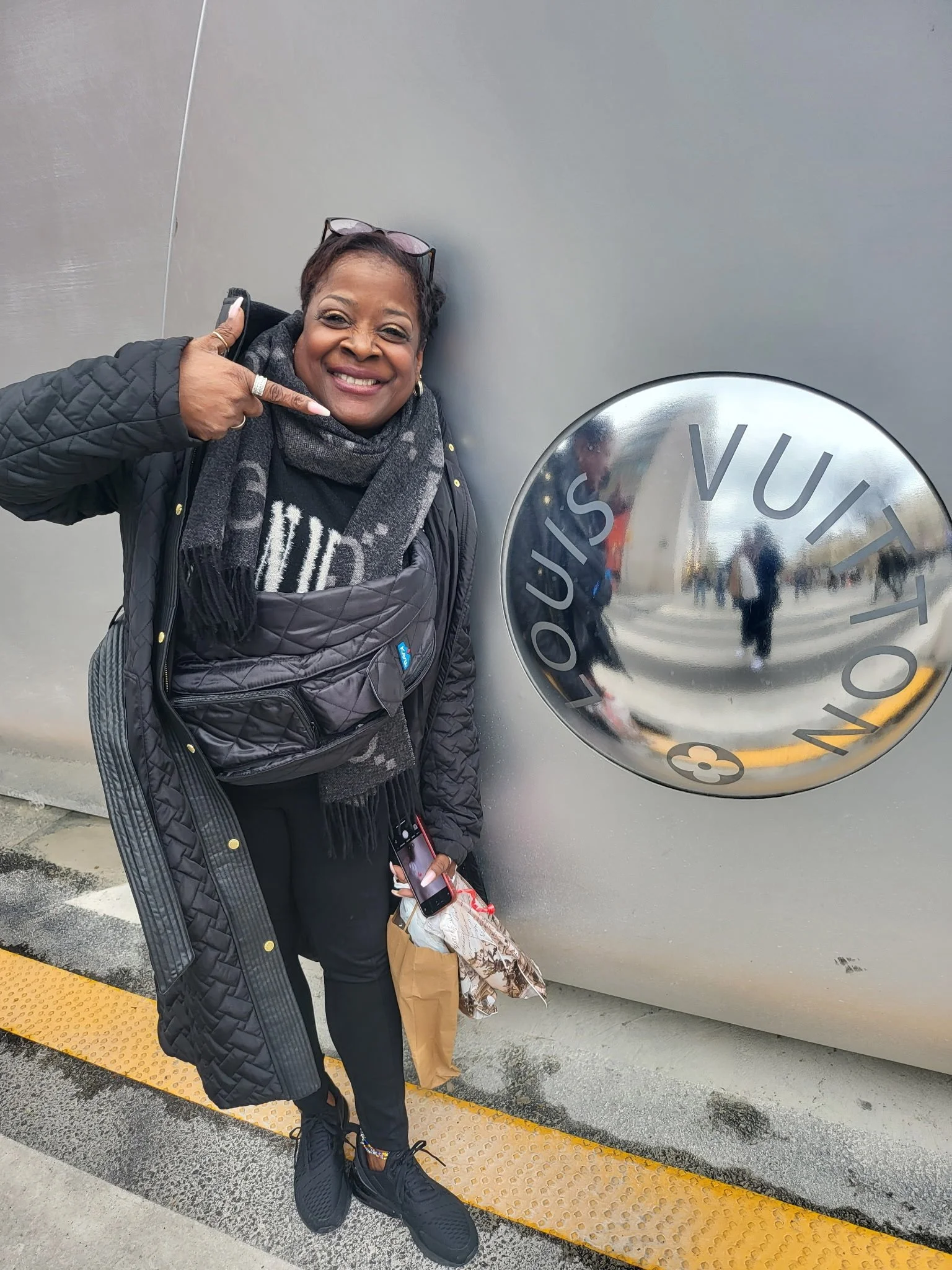
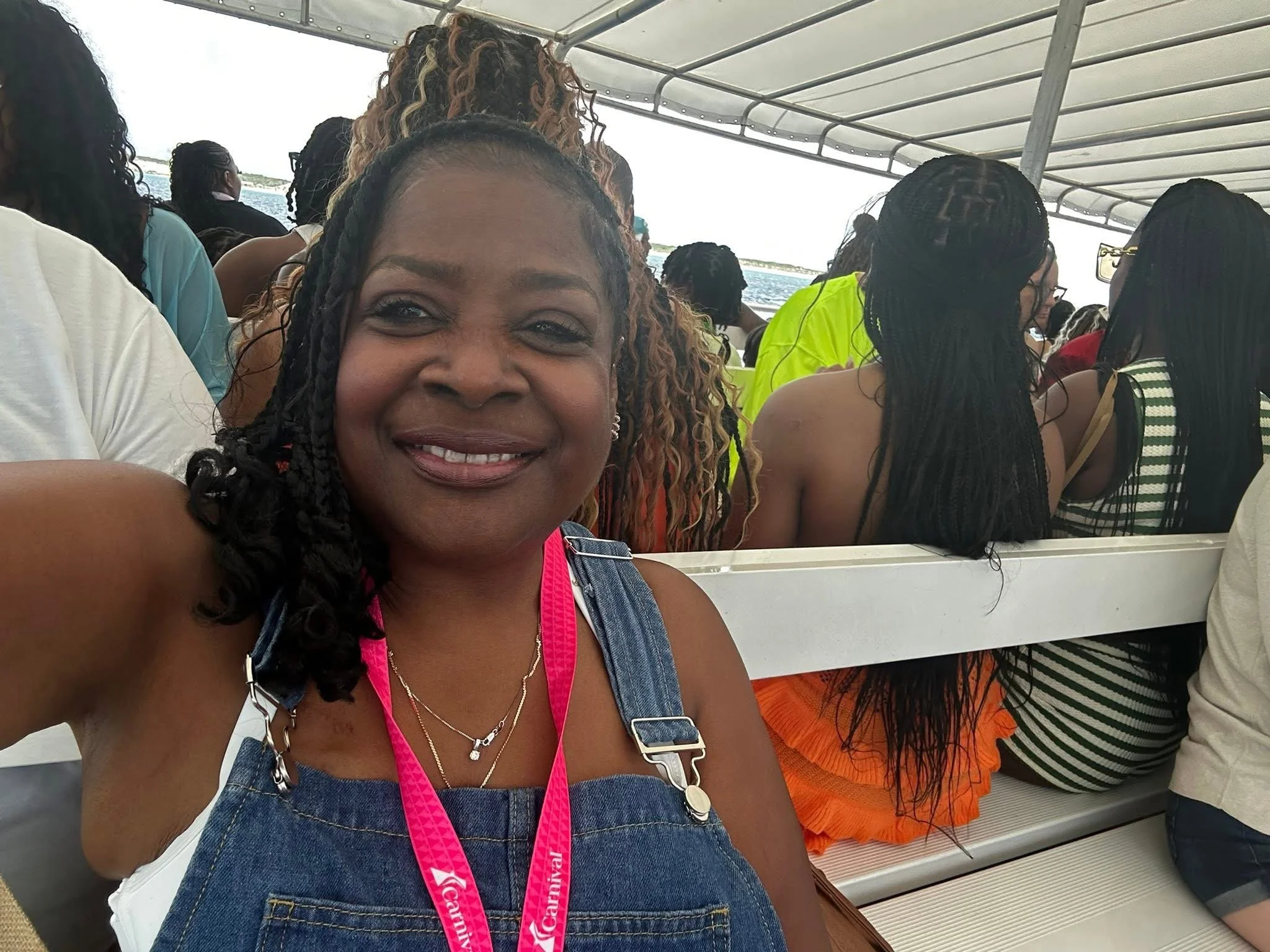
Needra notices details.
She remembers them. Creates through them. Has opinions about them.
She is equally clear about authenticity.
Fake and phony people, she says, she cannot stand.
And she does not like repeating herself.
“If I have to repeat myself, then you wasn’t listening, evidently.”
This is Needra, too.
The woman who loves music and books. Who can make a room look right. Who has standards. Who can be stubborn. Who is funny without trying very hard to be.
“Can’t nobody tell my story better than me.”
Motherhood Changed the Stakes
When Needra became pregnant with her first child in late 1988, sickle cell entered a new part of her life.
She was living in Stockton and made a point of telling her physician that she had sickle cell.
She remembers the doctor asking whether she had been in Africa recently because, he told her, she appeared to have some kind of rare blood disease.
Needra already knew exactly what she had.
“Yeah, that’s what I was trying to tell you. I have sickle cell.”
Then came something even more unsettling.
Needra remembers being told she would need a bone marrow treatment in order to have her baby.
“I had to get a bone marrow treatment.”
It sounded wrong to her.
So she called her mother.
Her mother’s response, as Needra remembers it, was immediate.
Get back to the Bay Area.
Find a doctor who knows what is going on.
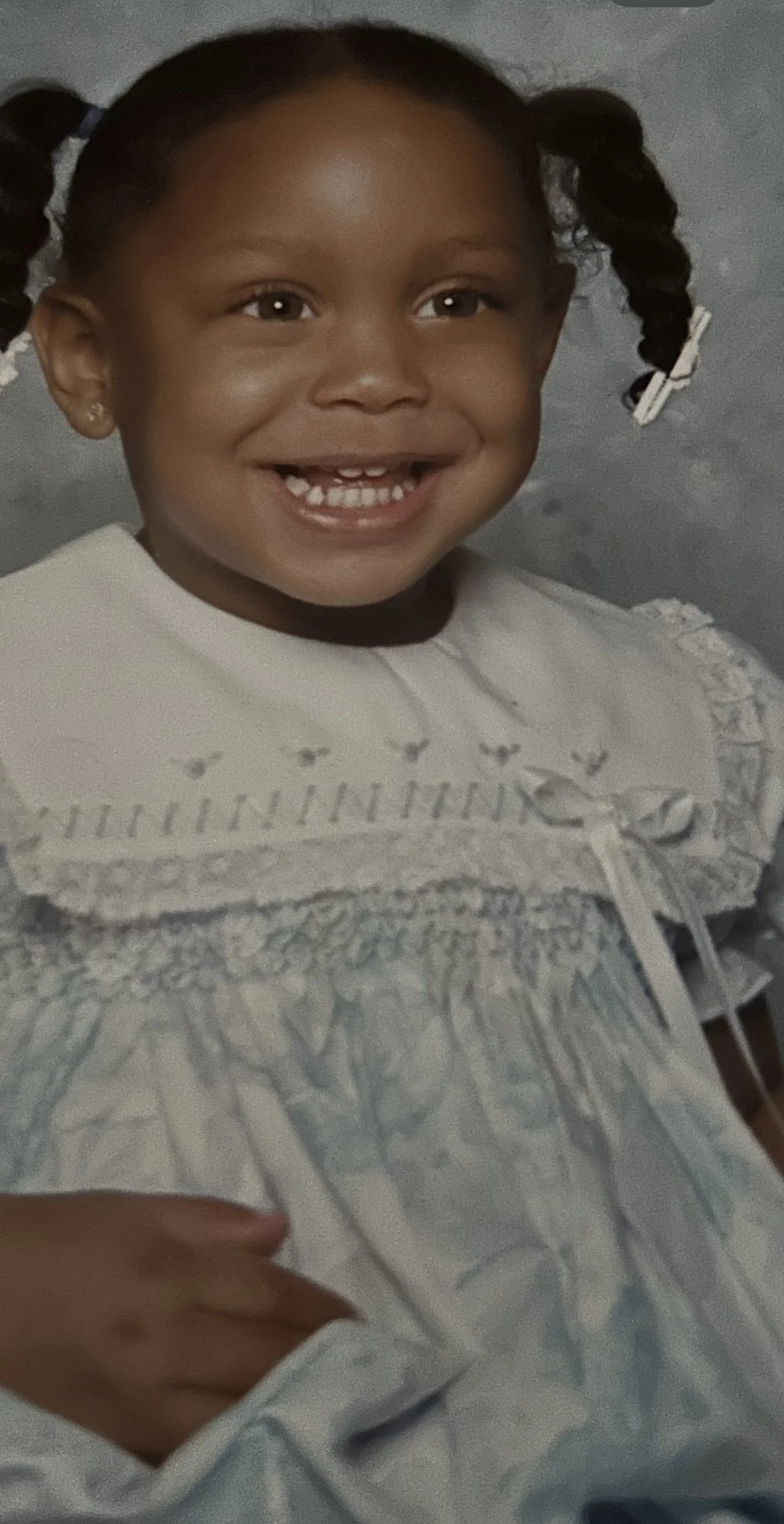
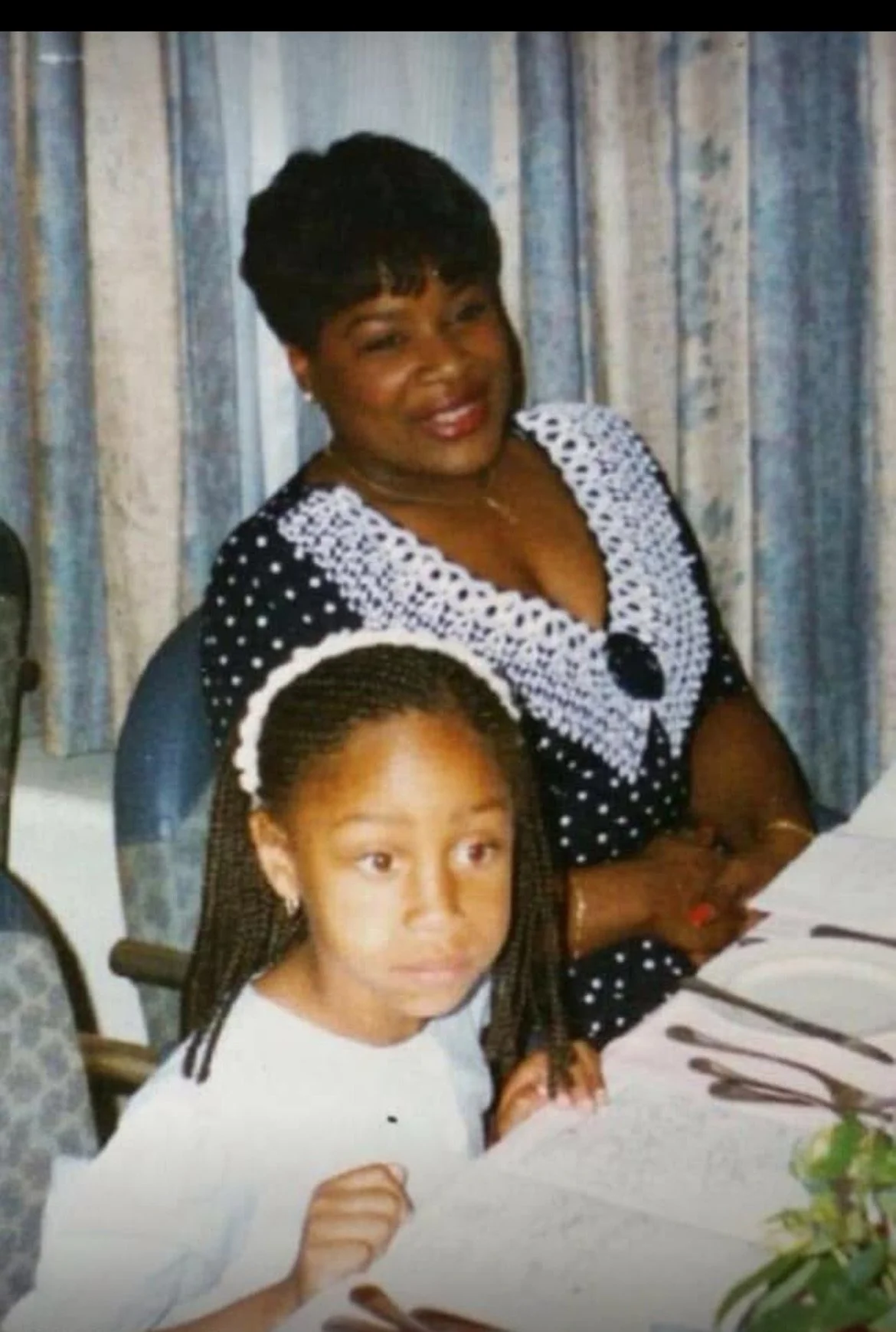
Needra did.
She found an adult sickle cell clinic headed by a Black physician. She remembers walking into the office and noticing that the people caring for her were Black, too.
It mattered.
“I just automatically felt like, okay, they’re gonna understand.”
Then she adds:
“And they did.”
“They took very good care of me.”
Needra delivered a healthy daughter at Alta Bates Hospital in Berkeley.
The baby went home.
Needra stayed.
Her red blood cell count was low, and her medical team continued monitoring her after her daughter had been discharged.
Years later, another pregnancy brought another set of decisions.
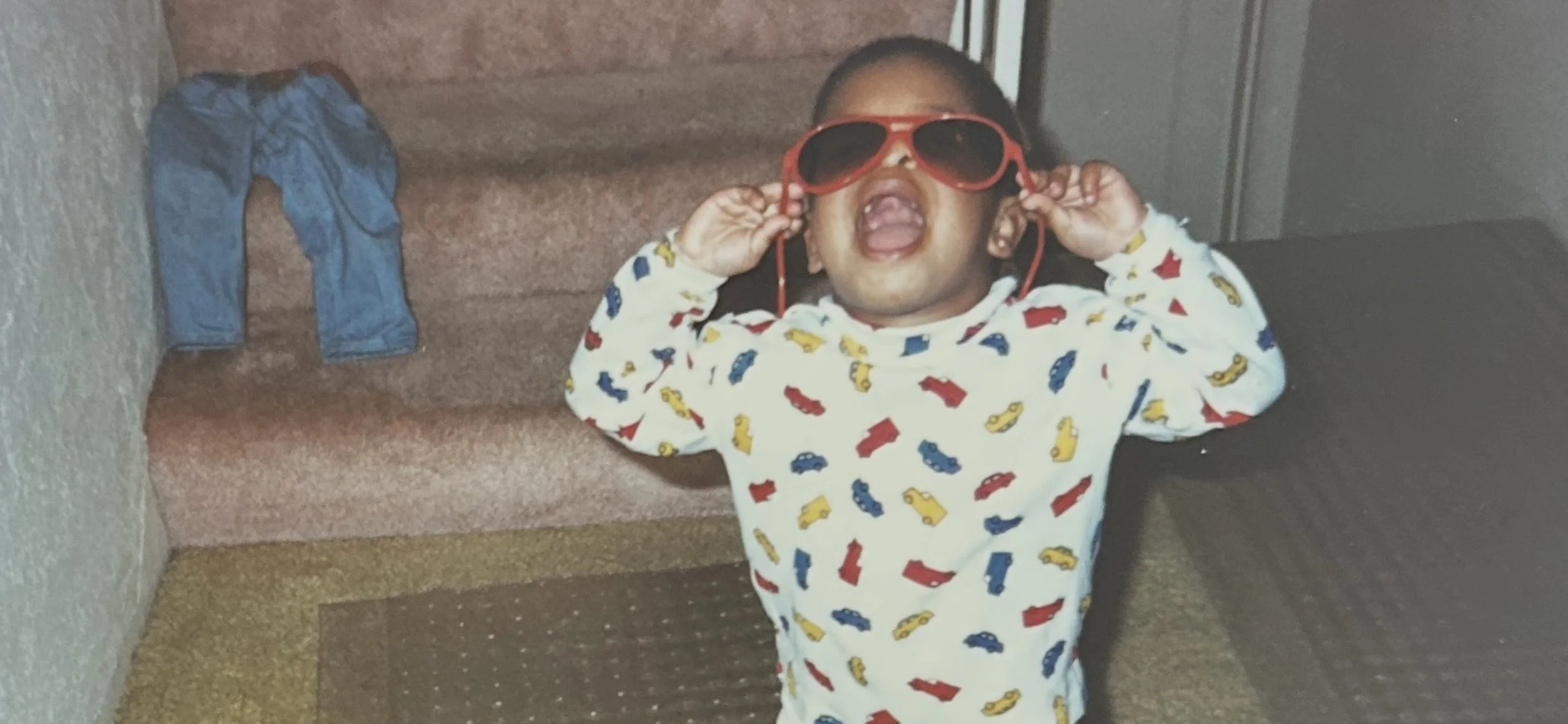
Needra hoped for a vaginal delivery after having a C-section with her daughter, but her son kept turning breech.
Doctors turned him.
He turned himself back.
“He was comfortable being upside down.”
Then comes the observation of a mother who has known her son a long time.
“And I mean, that’s what’s clear today. He likes being on the wrong side up.”
The room laughs.
Eventually, another C-section became necessary.
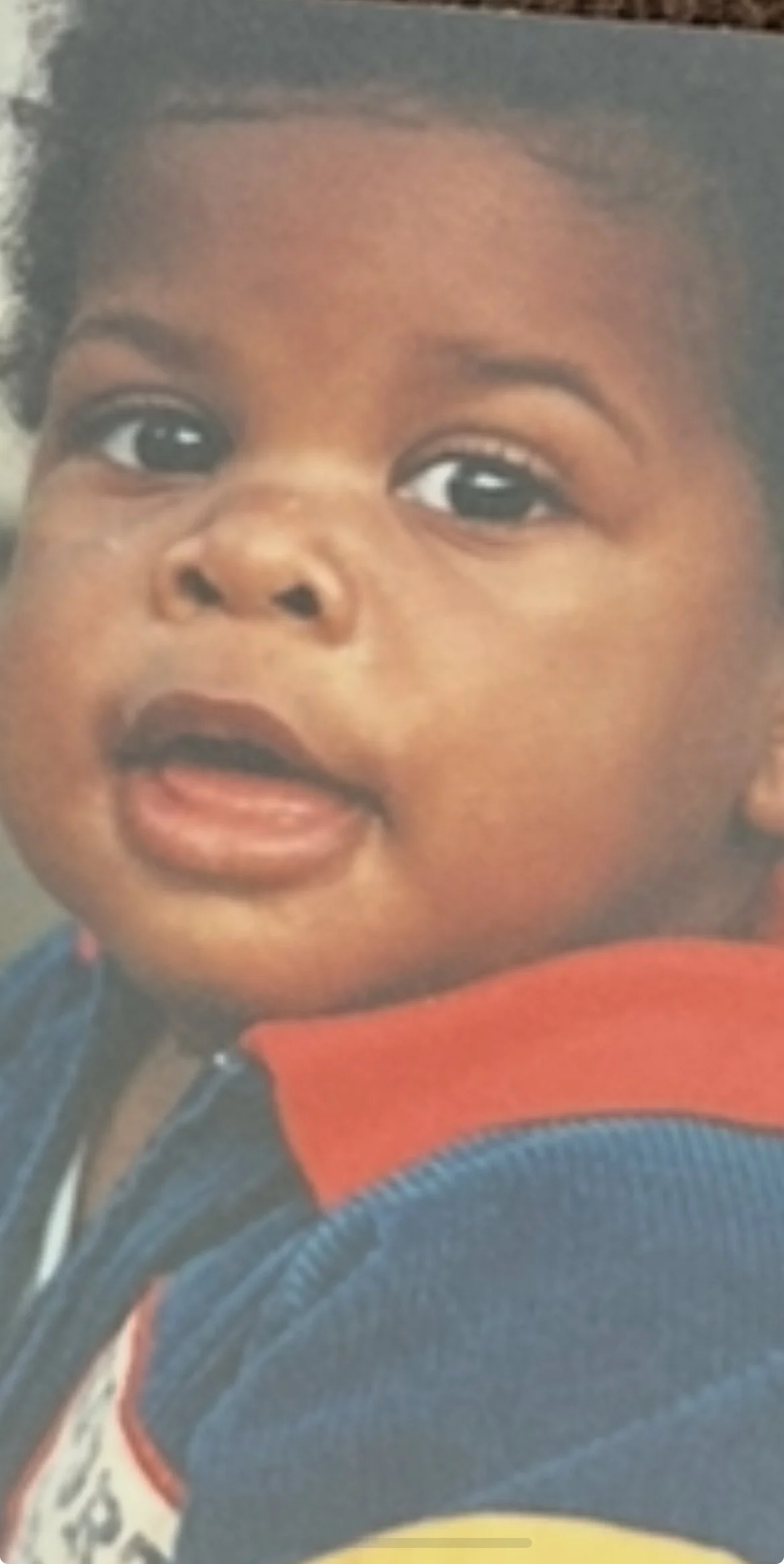
Needra also remembers being advised to receive a blood transfusion before delivery.
This was during the AIDS crisis, and she was frightened by reports of HIV transmission through contaminated blood products.
She refused.
Her mother tried to persuade her.
Needra stood by her decision.
“If I die, take care of my kids.”
It is difficult not to hear the girl who once felt policed in the woman now insisting on making decisions about her own body.
“I stood my ground like I am today. Can’t nobody make me do nothing.”
Underneath those decisions was motherhood.
“I was always in protective mode for my kids.”
She wanted the choices she made to give them a better life.
“Whether it worked out or if it didn’t, we always ended up on our feet.”
Needra describes her faith without ceremony.
She and God, she says, have always had an understanding.
“He gave me sickle cell. I never got anything else.”
As a child, Needra says, she rarely caught a cold or experienced many other childhood illnesses. Unless something was connected to sickle cell, she considered herself otherwise healthy.
Faith was also part of her upbringing. She attended religious schools throughout childhood, and belief in a higher power became embedded in her.
An Understanding With God
Living with sickle cell also gave her something she carries into the way she sees other people.
Empathy.
“I feel like sickle cell has allowed me to understand and have empathy for other people, not just that have sickle cell, but have illnesses, chronic illnesses, period.”
She knows what it means for a body to impose limits a person did not choose.
“It’s not easy having a disease that you can’t do anything about. It limits your life in certain ways. But you just have to keep going.”

Asked what she would tell another woman trying to build a full life alongside sickle cell, Needra keeps the answer short.
“The road may be hard. And you’re definitely going to have struggles. But never give up because only God has the last word.”
Once, someone told Needra the last word would be 30.
She is 61.
Where Does Tradition Live?
Ask Needra what tradition means and she begins with three words.
Family.
Consistency.
Longevity.
Then she pauses.
“But can I say this?”
She has a question of her own.
“Tradition lives no more in 2026.”
The question underneath the statement is sincere.
If every generation is quick to create its own way of doing things, what happens to the things that were supposed to continue?
“So then where does tradition live?”
Needra estimates that she is about 80 percent traditional.
Not 100.
“I still believe in traditional things with a twist. You can put your flavor on traditional, but you can still call it traditional.”
There are things she hopes her family keeps.
Christmas.
And Needra does not simply mean acknowledging that December 25 has arrived.
Decorating.
“And I do mean decorating.”
Celebrating holidays.
Making memories.
Taking pictures.
Especially pictures.
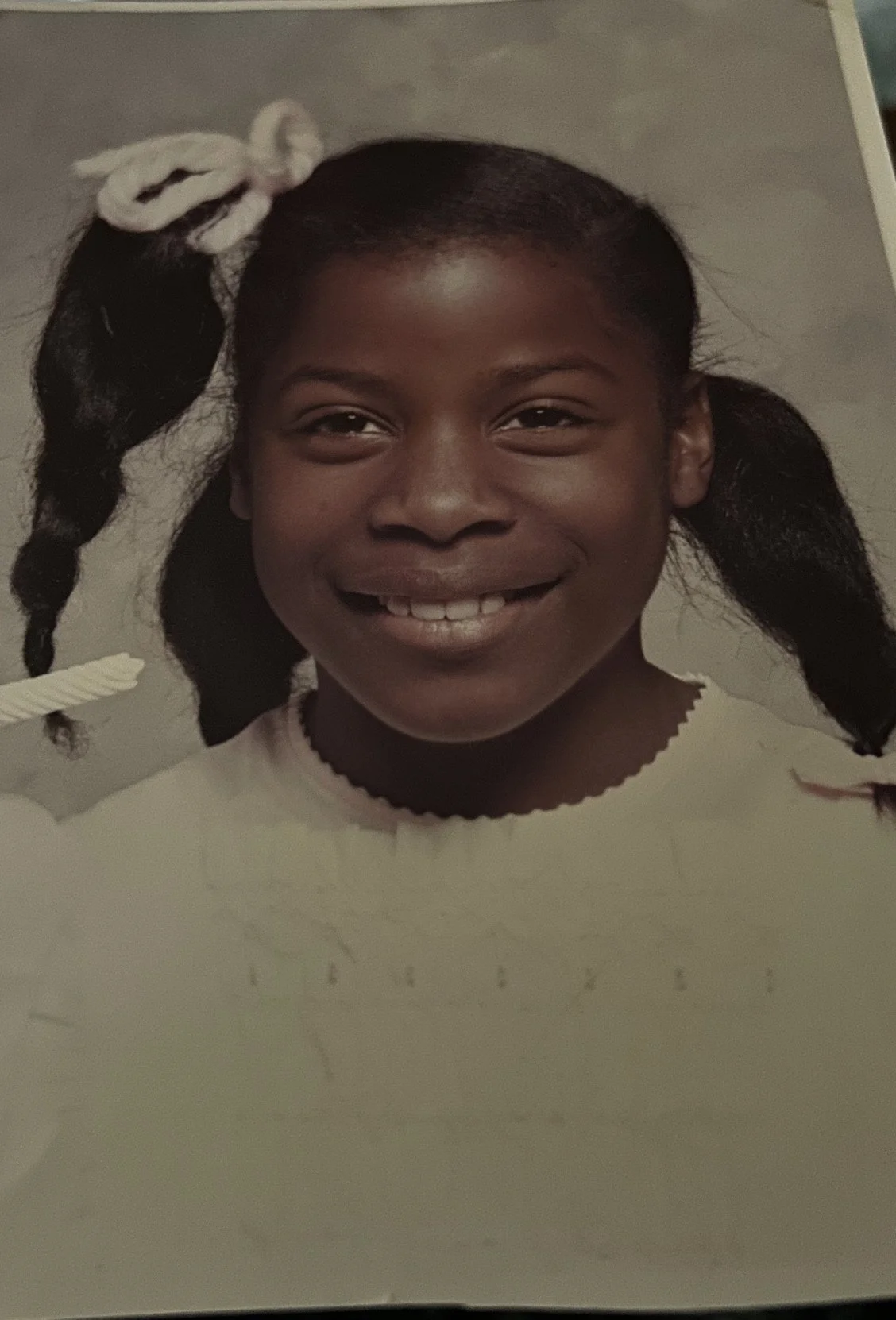
Needra has very few photographs of herself as a child.
“Very, very, very minimal.”
So when Needra had children, she did something different.
She took pictures.
Thousands of them.
Now another generation is responding to what she created. Her granddaughter loves seeing photographs of herself as a baby. Her mother knows what that feels like because Needra made sure photographs existed from her childhood, too.
Three generations.
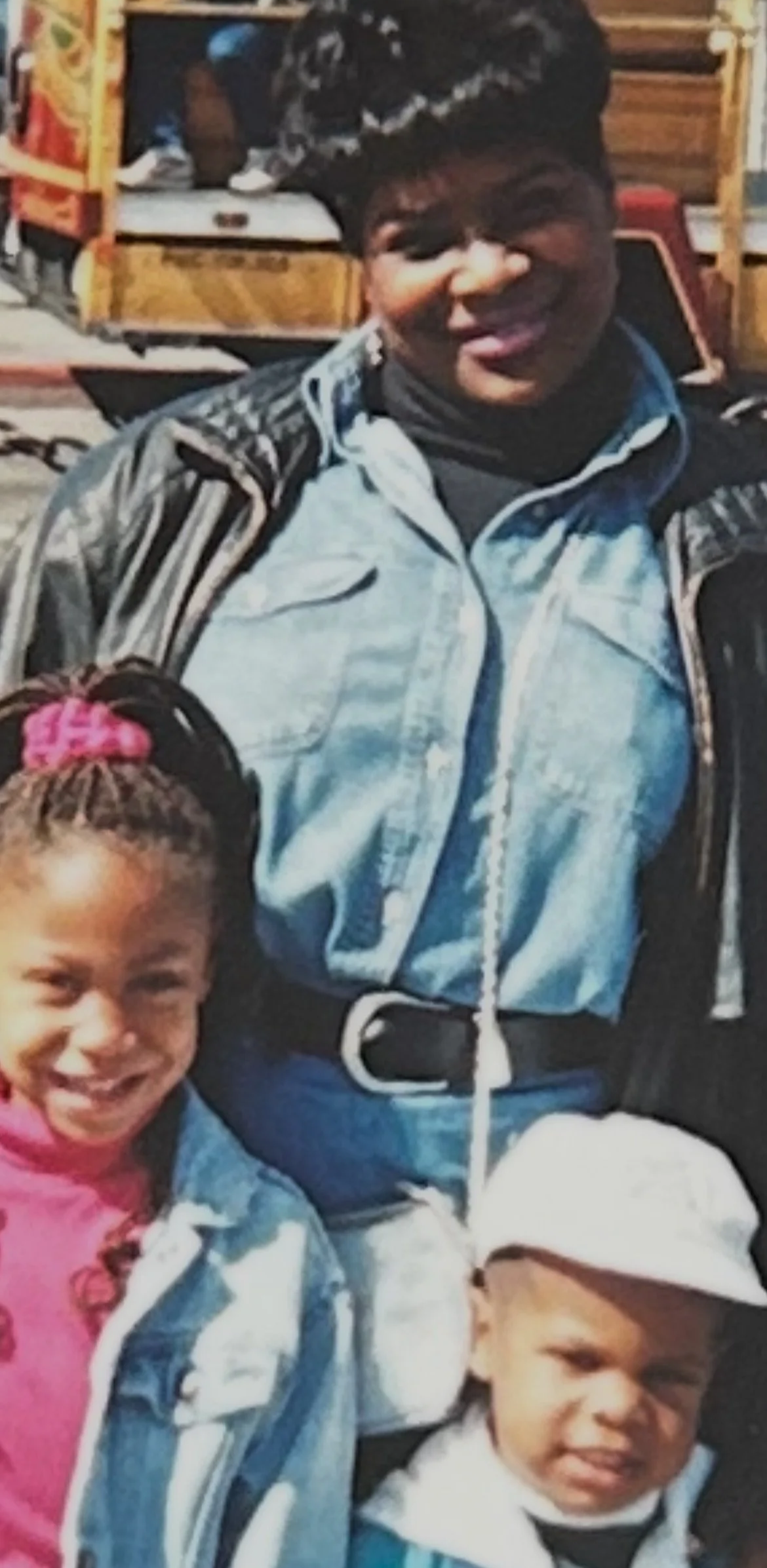
Needra did not inherit a collection of childhood photographs.
She inherited their absence.
Then she decided the next generation would inherit something different.
Sometimes we pass down what was given to us.
Sometimes we pass down what we wish someone had given us.
What She Wants Them to Carry
When Needra thinks about what she hopes her children and grandchildren inherit from her, she does not begin with toughness or survival.
She says kindness.
“I hope you guys be kind people, be nice.”
But Needra’s kindness comes with a warning.
“There’s no need to intentionally hurt anybody if you can help it. But don’t let nobody walk over you either.”
Know the difference between being kind and being a fool.
Have a nice heart.
Be fair.
Treat people with dignity.
Treat people with respect.
“That’s it.”
Needra inherited sickle cell.
She did not choose that.
But there are things she has chosen to pass forward.
Photographs.
Tradition.
Loyalty.
Creativity.
Family.
Kindness with boundaries.
A belief that the details matter.
Legacy is not simply what a person receives.
It is what she decides deserves another generation.
All of It
Near the end of the conversation, Needra is asked the question that closes every guest story in The Living Room.
What part of your story could only be told by you?
She does not need time to think.
“All of it.”
Then she explains why.
“Every time somebody tries to tell my business, they say it wrong.”
She laughs.
“Can’t nobody tell my story better than me.”
People leave things out.
They choose their own version.
“And it’s never right.”
So which part belongs to her?
“All of it.”
Of course it does.
The girl sneaking to the swimming pool.
The girl alone in the house.
The young woman waiting for Friday night at the skating rink.
The woman told she might not live past 30.
The books.
The music.
The motherhood.
The faith.
The traditions.
The photographs.
The laughter.
The life.
All of it.

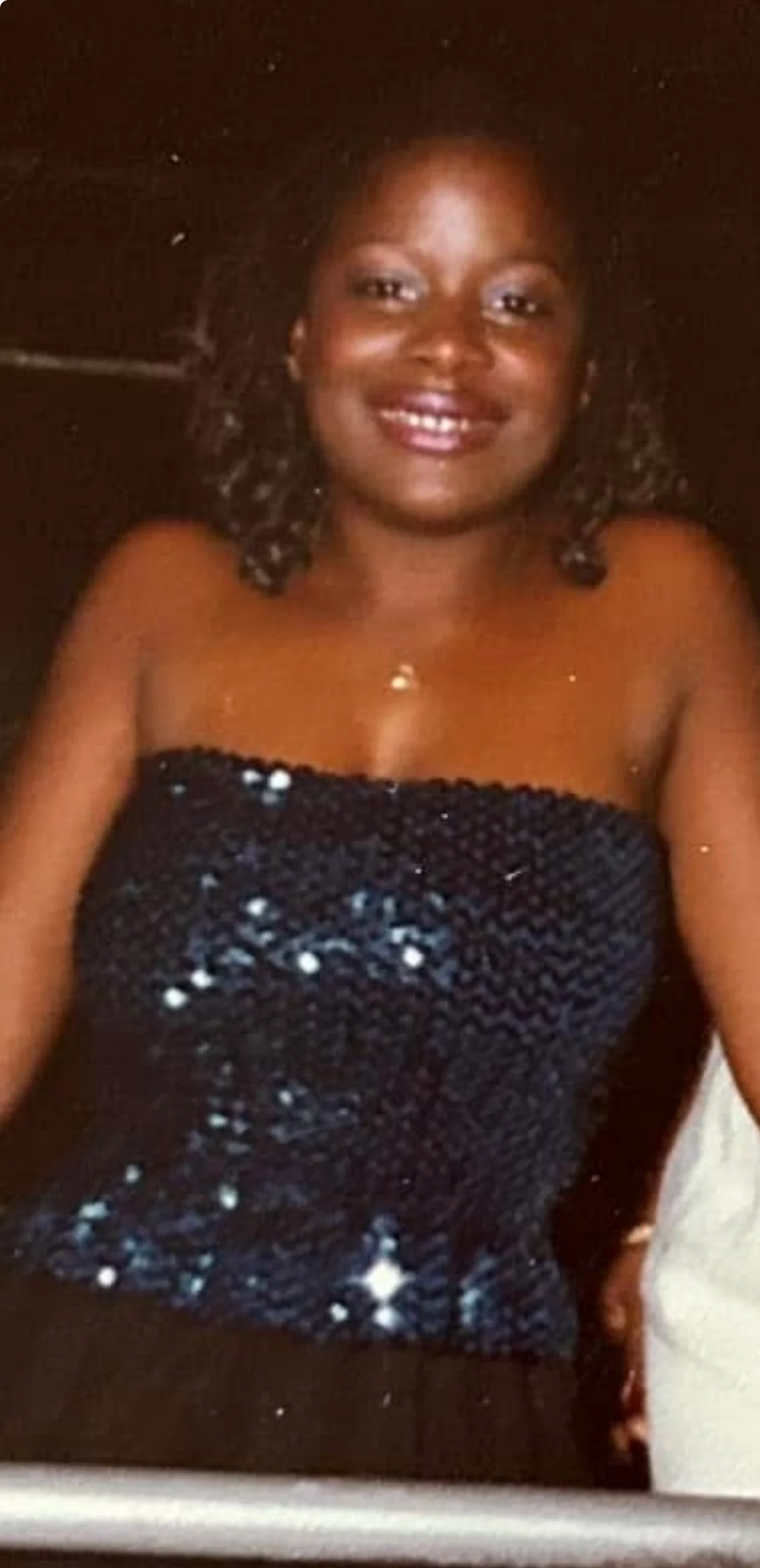
Needra celebrating her 50th Birthday in Las Vegas
There is one final prompt.
If my family remembers one thing about me, I hope it’s...
Needra thinks.
“Funny.”
Not sick.
Not strong.
Not resilient.
Not a fighter.
Funny.
Maybe that is enough explanation.
The interview ends.
The living room is still a living room.
Her husband is still there. Her grandchildren are still there. Life has not stopped so we can turn it into legacy.
It is happening in front of us.
At 61, Needra is still here to tell us what belongs in the record.
And when asked which part of the story belongs to her, she has already given us the answer.
All of it.
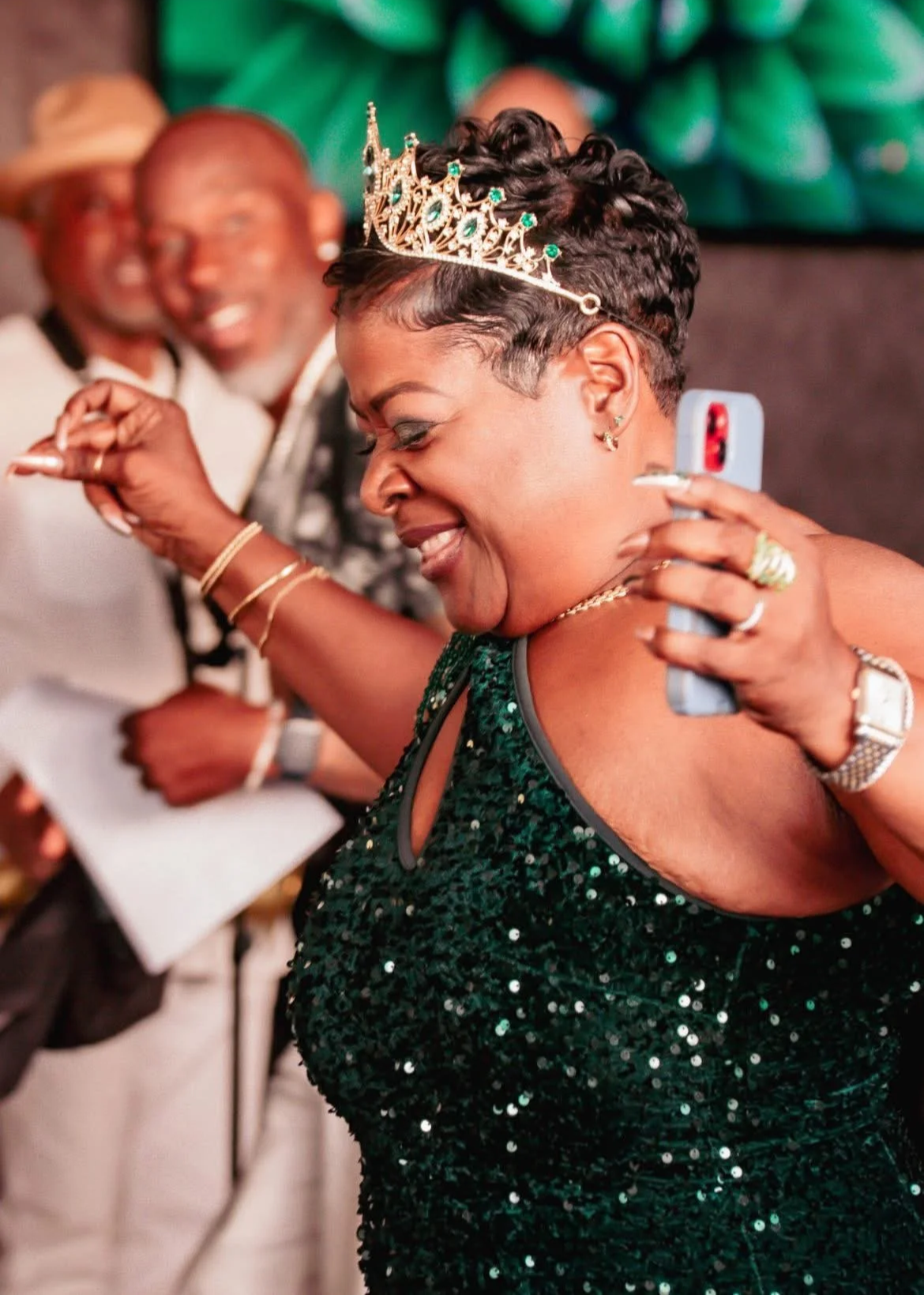
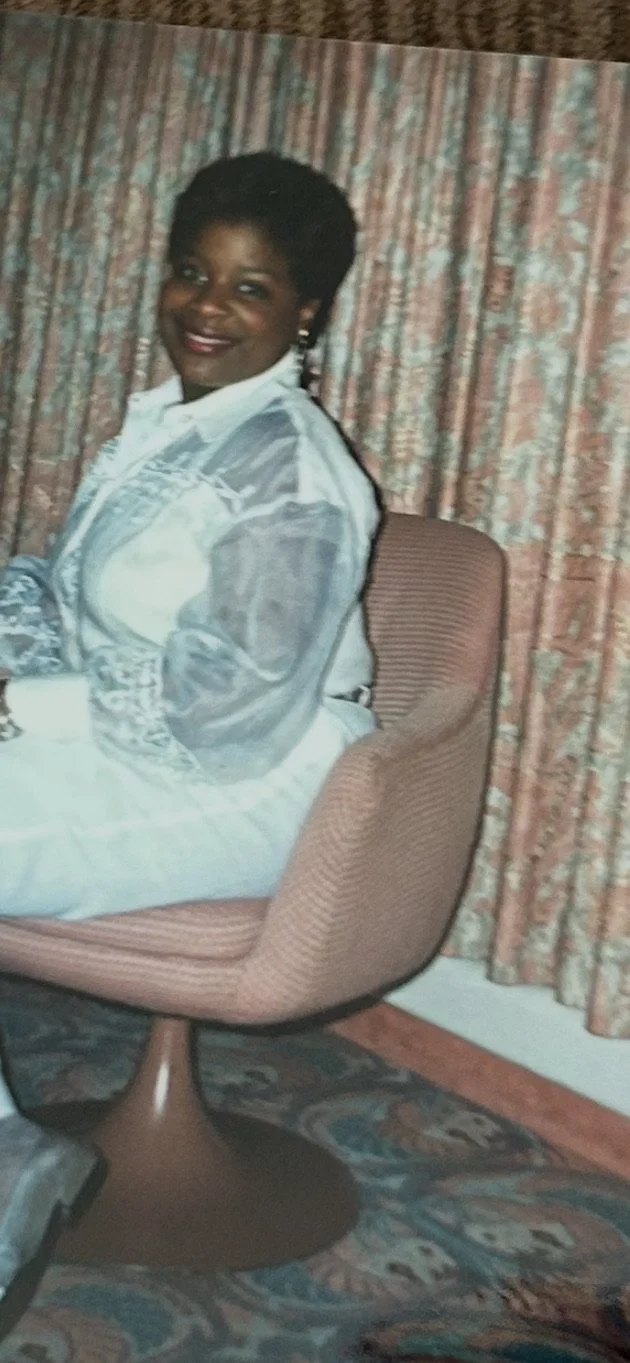
Needra dancing at her 60th Birthday Party
ABOUT NEEDRA
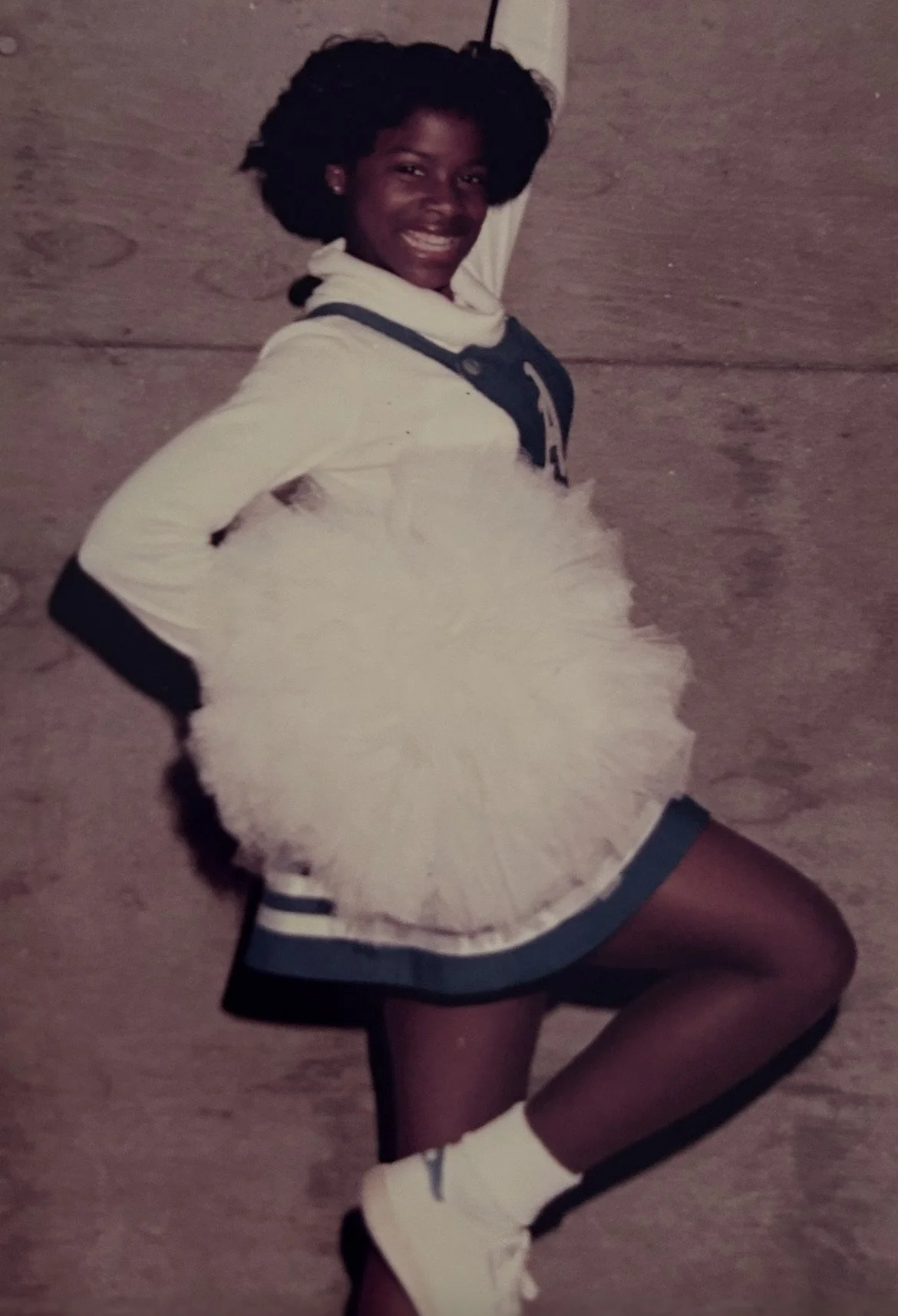
Needra is a 61-year-old woman of faith, wife, mother, grandmother, creative spirit, and Sickle Cell Warrior who believes in finding beauty, purpose, laughter, and love throughout the journey.
Family is at the center of her life. Her two grandchildren affectionately call her “Lovie,” the given name of her paternal grandmother and a small but meaningful connection between generations.
Funny, outgoing, big-hearted, and, in her own words, “loyal to a fault,” Needra loves deeply and laughs often. She finds joy in creating beautiful things, getting lost in a good book, listening to great music, traveling, and experiences that feed her imagination.
At 61, she embraces all the pieces of her story: her faith, family, creativity, challenges, victories, lessons, and laughter. Sickle cell is part of that story, but it has never been the whole of who she is.
The Soundtrack
All of It Playlist
Every Legacy Feature includes a playlist curated by the featured guest.
Needra’s collection moves across decades of R&B, soul, funk, gospel, hip-hop, and more, offering another way to meet the woman behind the story through the music she has loved, returned to, and carried with her.
Rather than asking every selection to explain a particular chapter of her life, we invite you to simply press play. Let the music sit beside her story as another piece of Needra, and another way of experiencing all of it.
The Coffee Table
Artifact 004
What We Carry
Personal archive, submitted by Needra
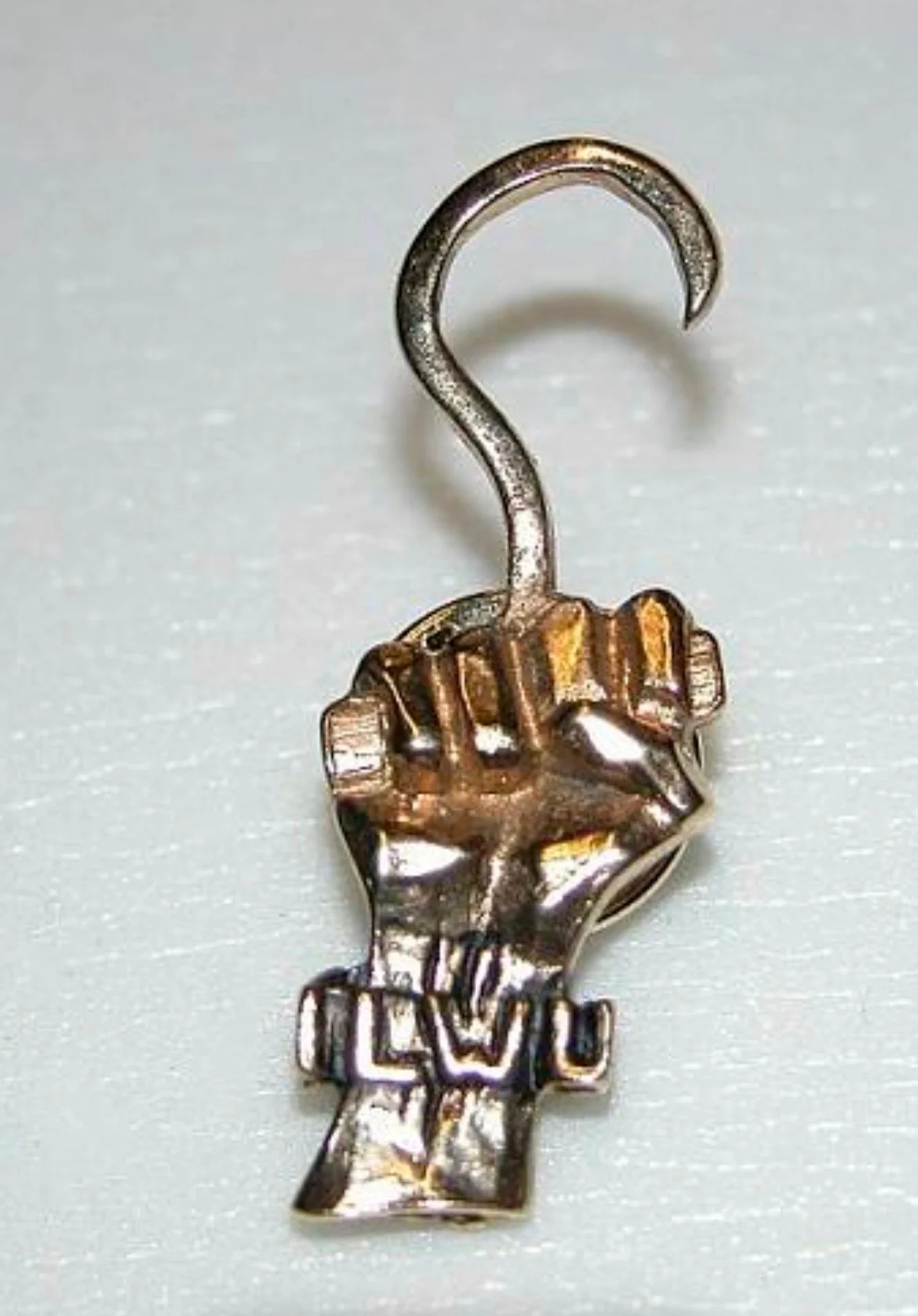
A raised fist hook representing resistance, solidarity, strength, and loyalty, and a connection to ILWU Local 10, the union Needra’s father belonged to for more than 30 years.
Needra chose this piece because of what the raised fist and hook represent to her: resistance, solidarity, strength, and loyalty. But its meaning deepens through its connection to her father.
The symbol belongs to ILWU Local 10, the union her dad belonged to for more than three decades. The same father who advocated for Needra when she was young is present here again, through an object that reflects values she recognizes in herself.
What Needra carries from him is not only memory. It is a way of standing firm, staying loyal, and holding close the people who belong to you.